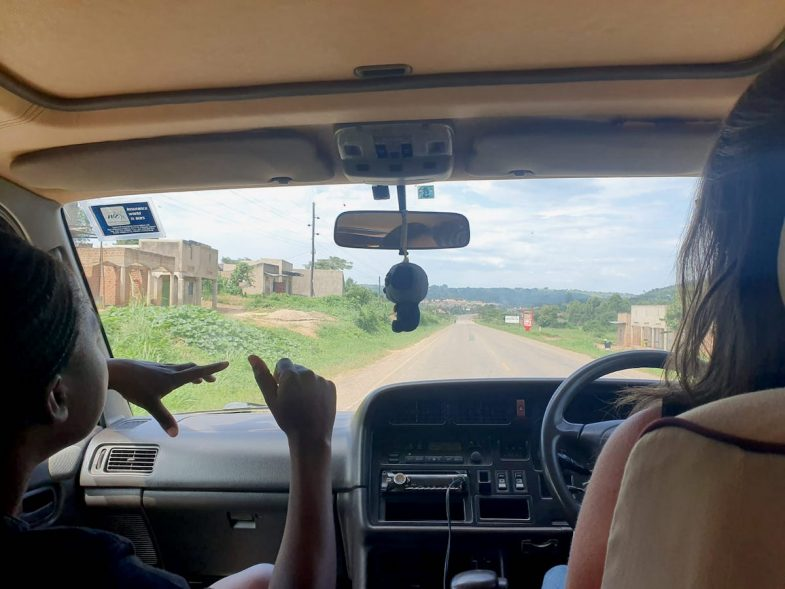
The Uganda safari trails are not your average road trip. One hour you’re crawling along a red-dirt track through Queen Elizabeth National Park, the next you’re fording a stream on the way to Bwindi, and later still you’re grinding up a steep, rain-slicked slope toward a gorilla trekking start point in the Virunga foothills. The vehicle you book isn’t just transport — it’s your comfort, your safety, and often the difference between a good game drive and a great one.
Here’s a breakdown of the best 4×4 vehicles most commonly used by tour operators in Uganda, and how to choose the right one for your trip.
1. Toyota Land Cruiser (Safari-Modified)
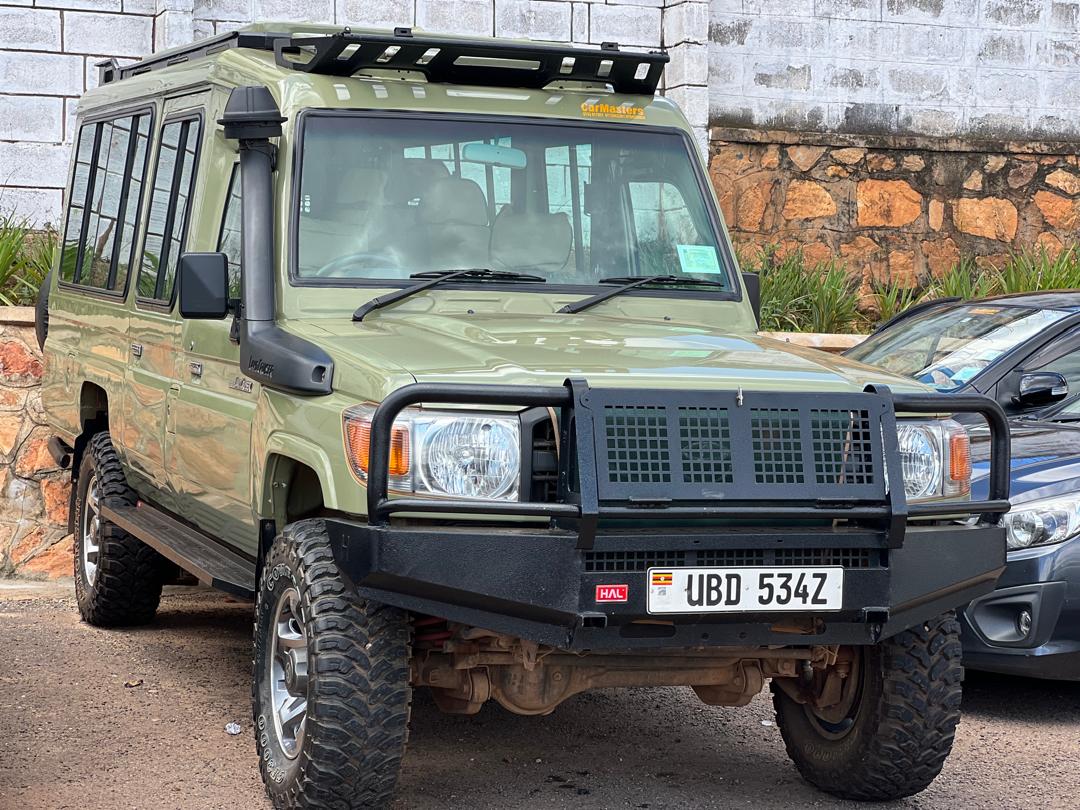
The undisputed king of East African safaris. Purpose-built or converted Land Cruisers — usually the 70-Series Troop Carrier or Land Cruiser TX — are the vehicles you’ll see in almost every professional safari photo.

Why operators love them:
- Pop-up roof hatches for 360-degree game viewing and photography
- Bench seating for 5–7 people with individual window access
- Extra-long-range fuel tanks for remote parks like Kidepo Valley
- Reinforced suspension built for Uganda’s rougher park tracks
- Onboard charging ports, coolers, and sometimes Wi-Fi on higher-end models
Best for: Multi-day safaris covering several parks, photography-focused trips, and larger groups or families who want space and visibility.
2. Toyota Land Cruiser Prado
A slightly smaller, more road-comfortable cousin of the Troop Carrier. The Prado handles tarmac transfers between parks smoothly while still coping fine with murram roads and moderate off-road sections.

Why it works well:
- More comfortable for long tarmac stretches (e.g., Kampala to Murchison Falls)
- Standard 4×4 with low-range gearing for tougher patches
- Air conditioning and closed-cabin comfort, good for dusty dry-season trips
- Seats 4–5 comfortably with luggage space
Best for: Couples, small families, or travelers combining safari with city and cultural stops where full open-roof viewing isn’t essential every day.
3. Toyota RAV4
The budget-friendly workhorse of Uganda’s self-drive and short-safari scene. Compact, fuel-efficient, and easy to handle, the RAV4 is a favorite for travelers doing shorter trips or self-drive itineraries.

Why travelers choose it:
- Lower rental cost than Land Cruisers
- Easy to drive for self-drive safaris, even for first-timers in Africa
- Sufficient ground clearance and 4×4 capability for most main park roads
- Good fuel economy over long distances
Best for: Budget travelers, couples on self-drive adventures, and shorter routes like Lake Mburo or Queen Elizabeth National Park that don’t demand heavy-duty off-roading.
4. Toyota Hilux Double Cab
A rugged pickup-based 4×4 that’s popular both as a private safari vehicle and as a support vehicle for larger overland trips. Reliable, easy to repair in remote areas, and tough on bad roads.

Why it’s a solid pick:
- Excellent off-road durability, especially on muddy or flooded routes in the rainy season
- Good ground clearance
- Often used for family-style setups with rooftop tents for camping safaris
- Widely serviced across Uganda, so breakdown risk is lower
Best for: Camping safaris, adventure travelers, and trips into remote or seasonally difficult terrain like Kidepo Valley or Semuliki.
5. Land Rover Defender
Less common today but still found with specialist and luxury operators. The Defender has a smaller footprint in Uganda’s rental fleets now compared to Toyota models, largely because parts and servicing are harder to source locally — but it remains a favorite for travelers who want a classic, characterful safari vehicle.

Why some operators still use them:
- Exceptional off-road engineering and articulation
- Iconic look and feel for travelers who want a “classic safari” experience
- Strong performance in extreme mud or river-crossing conditions
Best for: Niche, high-end safaris where the operator maintains their own fleet with reliable local mechanics.
6. Nissan Patrol
Occasionally offered by operators as an alternative to the Land Cruiser, with similar off-road performance and passenger capacity.
Why it’s a reasonable alternative:
- Comparable off-road capability to the Land Cruiser
- Spacious cabin and decent luggage room
- Often slightly cheaper to hire than a Land Cruiser equivalent
Best for: Groups who want Land Cruiser-level capability but are working with a tighter budget or found better Patrol availability.
How to Choose the Right Vehicle for Your Safari
| Consideration | Best Choice |
|---|---|
| Big group, multi-park safari, photography focus | Safari Land Cruiser (pop-up roof) |
| Comfort-focused trip with tarmac transfers | Land Cruiser Prado |
| Budget or self-drive trip | Toyota RAV4 |
| Camping or remote/rugged parks | Toyota Hilux Double Cab |
| Classic feel, high-end custom safari | Land Rover Defender |
| Land Cruiser capability at lower cost | Nissan Patrol |
A Few Practical Tips Before You Book
- Confirm the roof type. “Pop-up roof” and “open-sided” are not the same thing — ask for photos of the exact vehicle if game viewing photography matters to you.
- Check the fuel range for remote parks. Kidepo Valley and parts of Murchison Falls involve long stretches without fuel stations.
- Ask about the driver-guide. In Uganda, the vehicle and the driver-guide are usually a package — an experienced guide often matters more than the vehicle model itself.
- Confirm seating vs. capacity. Operators sometimes list maximum seating rather than comfortable safari seating (with window access for each person) — always ask for the safari configuration, not the passenger-van configuration.
- Rainy season changes everything. March–May and October–November safaris benefit from higher-clearance vehicles like the Land Cruiser or Hilux, even on routes that are fine in a RAV4 during the dry season.
Whichever 4×4 vehicle you choose, book through a reputable local operator who maintains their own fleet — vehicle reliability in Uganda’s more remote parks isn’t just about comfort, it’s about safety.
Choose from some of the best 4×4 vehicles for hire in Uganda today and contact us now by emailing to book@go-ugandacarrentalservices.com.